Navigating UK Mortgage Options as an Expat: Your Comprehensive Guide

Are you an expat dreaming of owning a piece of the UK? Whether you’re planning a return or simply looking for an investment opportunity, securing a mortgage from abroad can seem like a daunting task. The good news is, it’s entirely possible! While the process might differ slightly from a standard UK resident application, there are numerous options available to help you make that dream a reality. Let’s dive into the world of UK mortgages for expats and explore what you need to know.
Understanding Expat Mortgage Fundamentals
First things first, it’s important to understand that not all lenders offer expat mortgages. Many high street banks may have stricter criteria or may not cater to applicants residing outside the UK. This is where specialist lenders, brokers, and building societies come into play. They often have tailored products designed specifically for non-residents or those earning income in a foreign currency.





Types of Mortgages Available
Expats generally have access to several types of mortgages, much like UK residents, but with specific considerations:
- Residential Mortgages: If you plan to move back to the UK and live in the property yourself, this is your go-to option. Lenders will assess your affordability based on your current income, even if it’s in a foreign currency.
- Buy-to-Let (BTL) Mortgages: A popular choice for expats looking to invest. With a BTL mortgage, the rental income generated by the property often plays a significant role in assessing affordability, alongside your personal income. This can be a great way to build equity in the UK property market.
- Remortgaging: If you already own a property in the UK and wish to switch lenders for a better deal or release equity, remortgaging options are also available to expats.

Eligibility Criteria and What Lenders Look For
Lenders will assess your application based on a range of factors, and while each lender has its own specific requirements, some common themes emerge:
Income and Employment Status
Your income is paramount. Lenders will typically require proof of stable employment or self-employment history. They often prefer applicants with a strong track record in a professional field. If your income is in a foreign currency, be prepared for lenders to apply a ‘haircut’ (a reduction) to account for currency fluctuations. They’ll also check your debt-to-income ratio.
Deposit Requirements
Expats often need a larger deposit compared to UK residents. While UK residents might secure a mortgage with a 5-10% deposit, expats usually need at least 20-25%. For buy-to-let properties, this can sometimes be higher. A larger deposit demonstrates greater financial stability and reduces the lender’s risk.
Credit History
Building a UK credit history while living abroad can be challenging. Lenders understand this and may accept alternative forms of credit checks, such as international credit reports or proof of timely payments on foreign debts. Maintaining a good credit score in your country of residence is crucial.
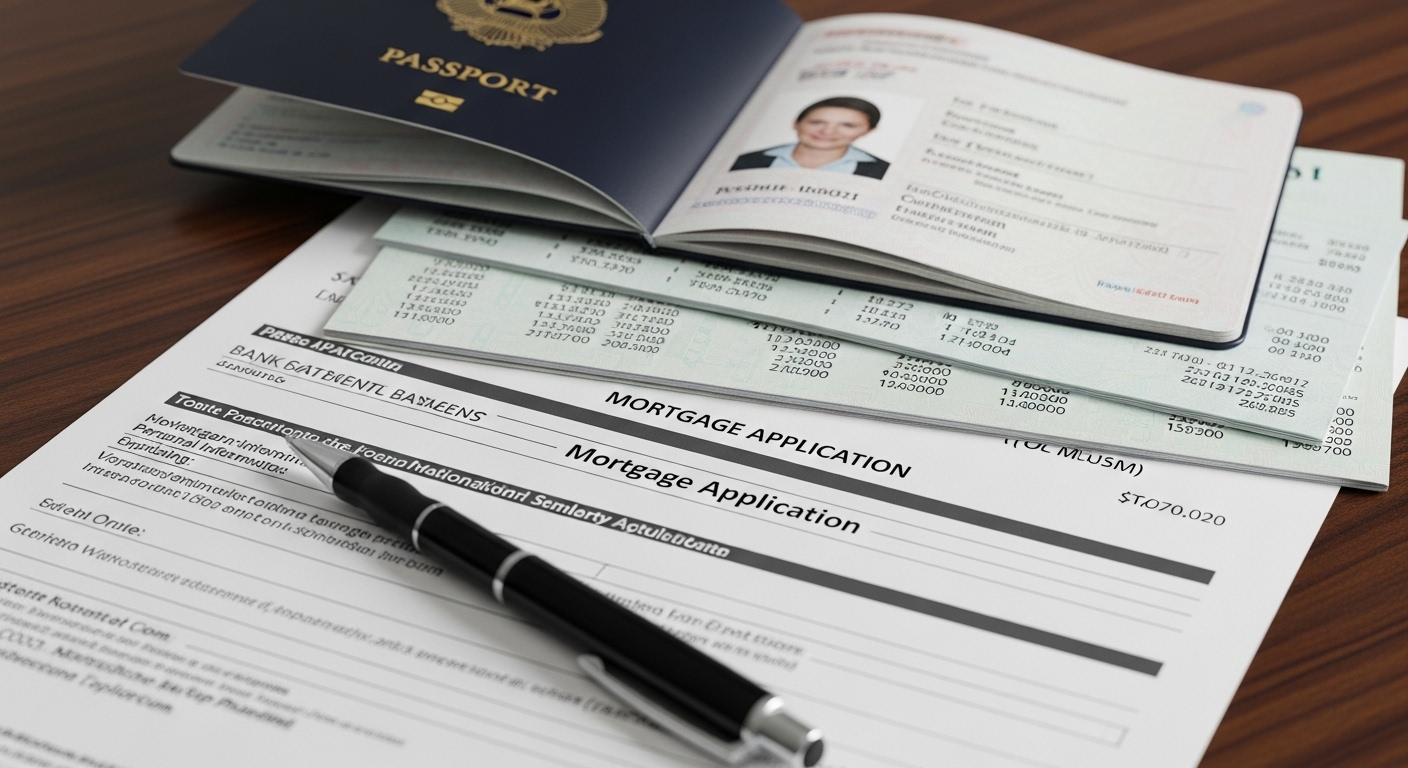
Essential Documents You’ll Need
Getting your paperwork in order early can significantly smooth the application process. Expect to provide:
- Proof of Identity and Address: Passport, national ID, and utility bills from your current residence abroad.
- Proof of Income: Payslips (usually 3-6 months), employment contracts, and tax returns (for self-employed individuals). Bank statements showing salary credits are also essential.
- Bank Statements: Personal bank statements, typically for the last 6-12 months, to show your financial conduct and savings.
- Proof of Deposit: Evidence of the source of your deposit funds.
- Existing Mortgage/Credit Agreements: Details of any current mortgages or significant debts, both in the UK and abroad.

Tips for a Smooth Application Process
- Seek Specialist Advice: Engage with mortgage brokers who specialize in expat mortgages. They have access to a wider range of lenders and understand the nuances of expat applications.
- Organize Your Finances: Ensure all your financial records are up-to-date, transparent, and easily accessible. Lenders appreciate clarity.
- Be Prepared for Due Diligence: Expect thorough checks on the source of your funds and your financial background due to international anti-money laundering regulations.
- Consider Currency Fluctuations: If your income is in a foreign currency, be mindful of exchange rate movements and how they might impact your affordability and repayments.
- Plan Ahead: The expat mortgage application process can sometimes take longer than a standard UK application, so start early.
Owning property in the UK as an expat is a very achievable goal. By understanding your options, preparing your finances, and working with the right professionals, you can confidently navigate the mortgage landscape and secure your piece of the British dream. Good luck!